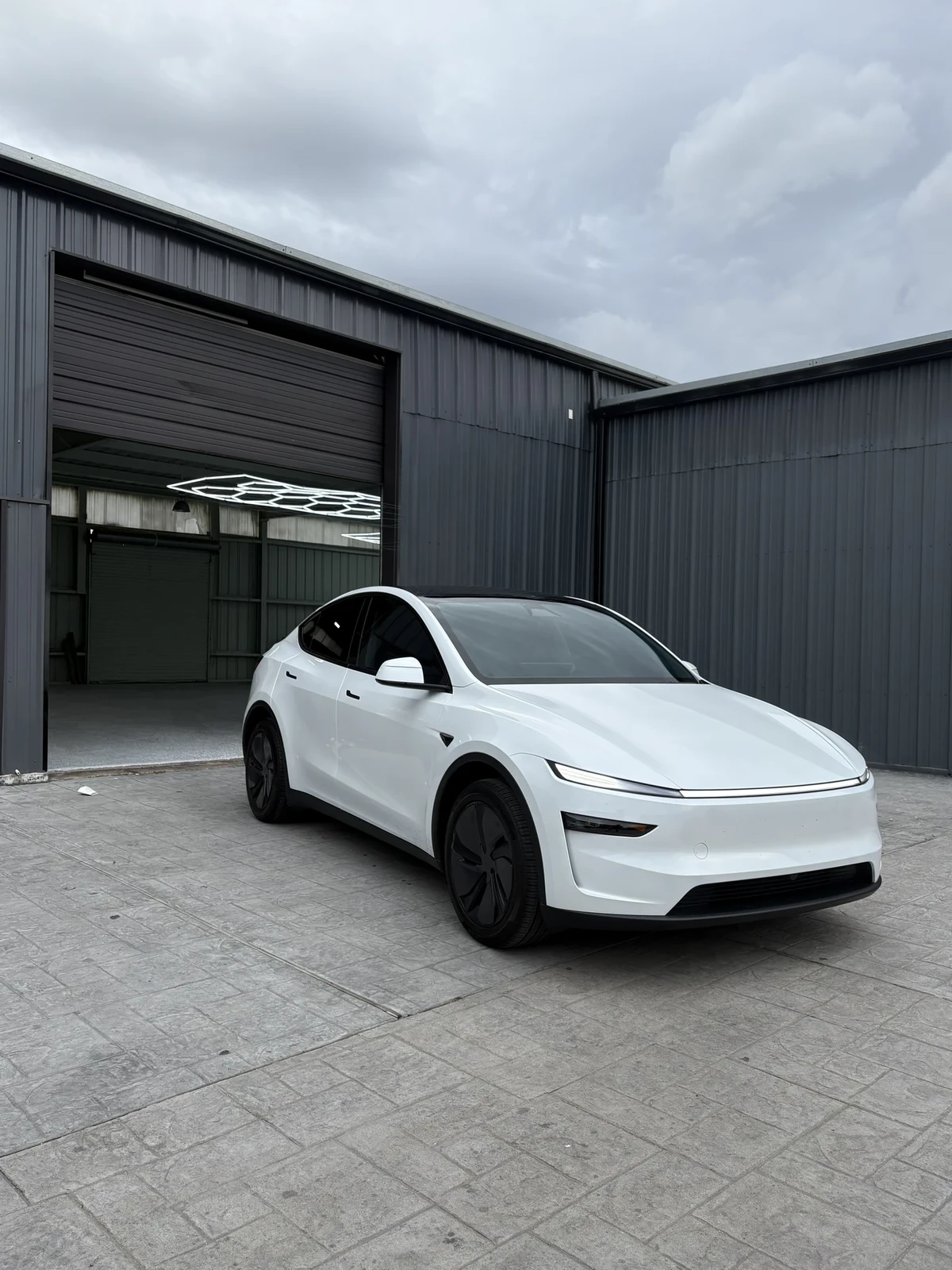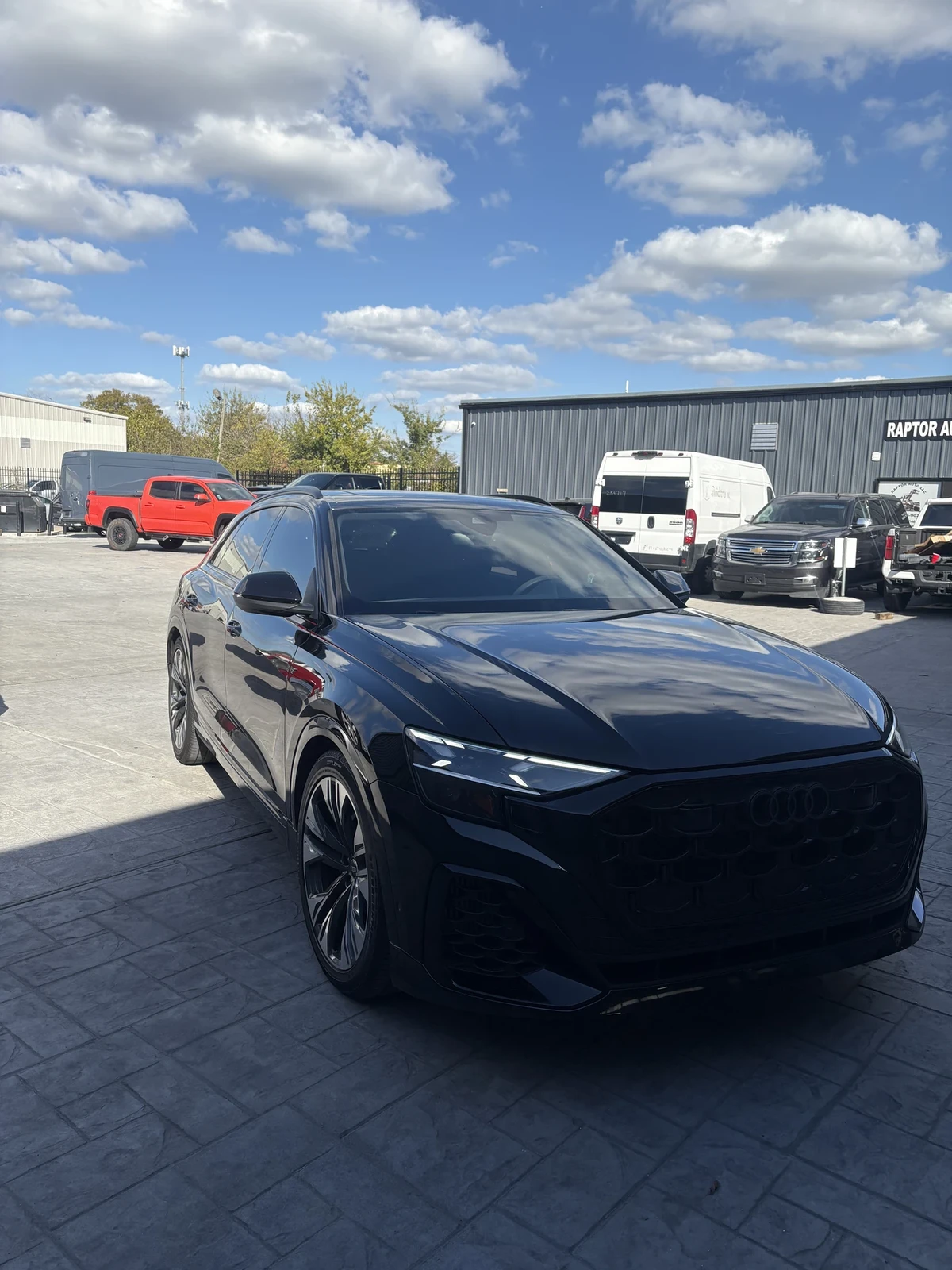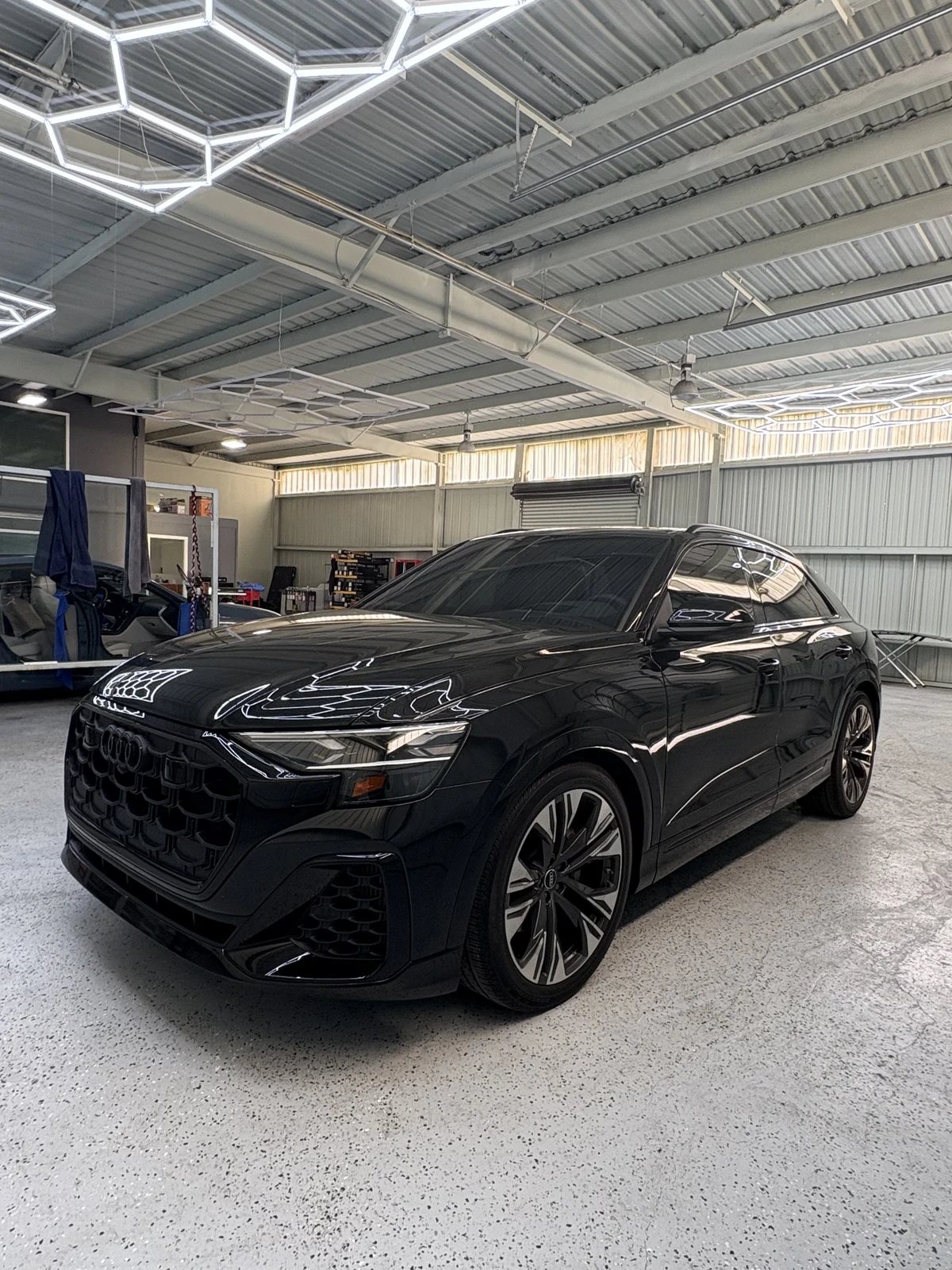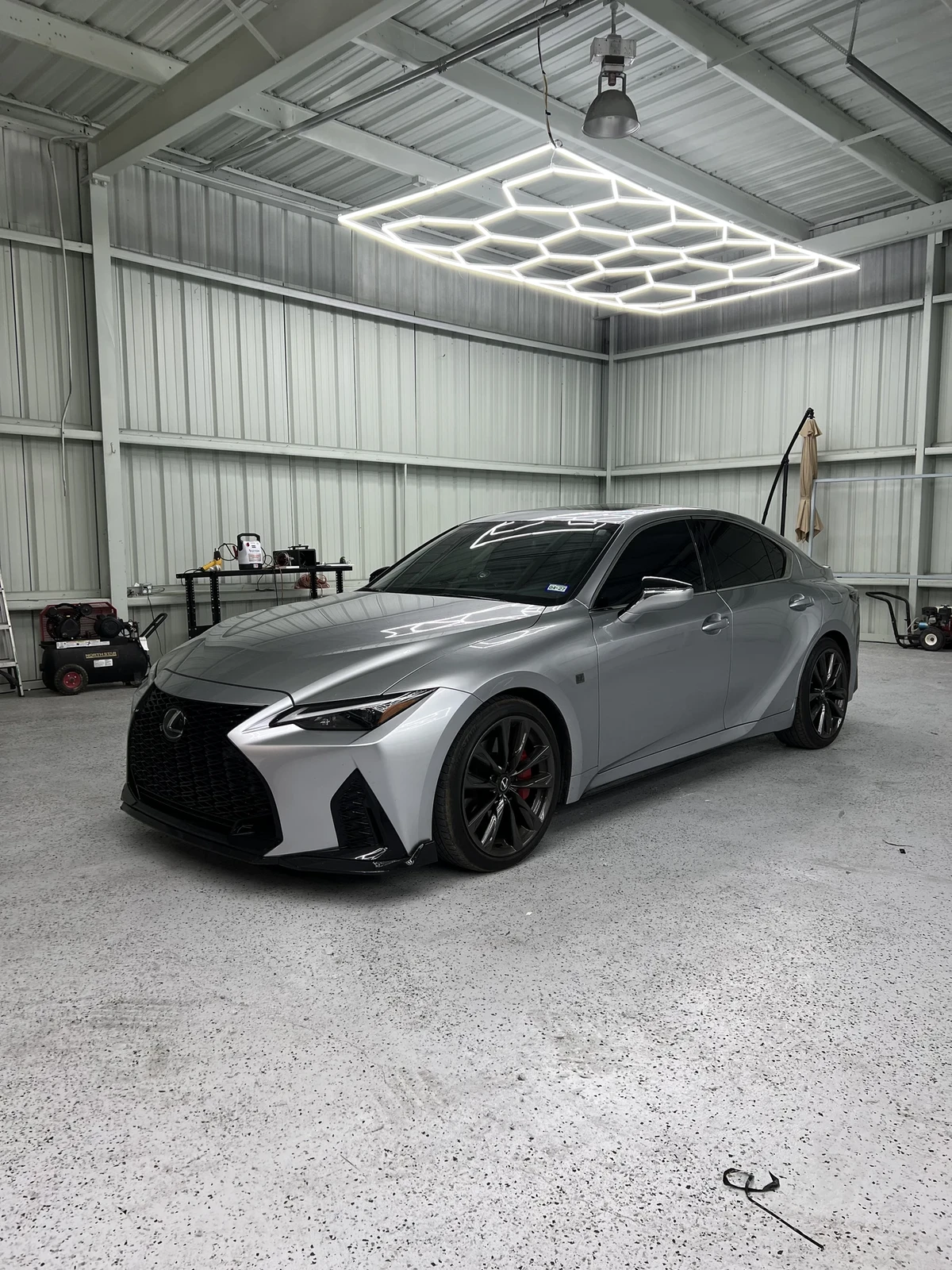
Navigating the bustling streets of Southeast Texas during the summer can feel like driving through a commercial oven. Because local drivers face relentless heat daily, investing in premium Car Window Tinting in Houston TX is the absolute best way to make your daily commute comfortable. Installing professional window film on your vehicle offers a highly effective defense against intense infrared heat, blinding highway glare, and costly interior cabin degradation. This comprehensive guide explores how high-quality window films protect your vehicle and improve your overall driving experience across the Lone Star State.
Whether you are commuting down Interstate 45 or parking near Minute Maid Park, the Texas sun is incredibly relentless. Unprotected auto glass allows solar energy to enter your vehicle freely, rapidly turning your cabin into a dangerous heat trap. High-performance window films act as a protective barrier, keeping your vehicle cooler and your passengers more comfortable. Below, we break down why this simple upgrade is a game-changer for local vehicle owners.
Is Car Window Tinting Worth It for Houston Drivers?
Yes, car window tinting is highly worth it for Houston drivers because it significantly lowers cabin temperatures, blocks destructive ultraviolet rays, and improves safety on the road. With local summer temperatures regularly exceeding 90 degrees Fahrenheit, operating a vehicle without solar protection can cause extreme discomfort and accelerate interior wear.
The heat index in Southeast Texas is notoriously high, meaning your car’s air conditioning system has to work twice as hard to maintain a comfortable cabin temperature. When you park your vehicle near the Houston Galleria or in a driveway in Montrose, the interior temperature can climb past 130 degrees Fahrenheit in minutes. This level of heat puts immense strain on your engine and cooling systems, leading to higher fuel consumption.
To understand the real-world value of this upgrade, consider these immediate benefits:
- Reduced AC Strain: Your vehicle reaches a comfortable temperature much faster, saving fuel and reducing wear on your compressor.
- Protected Upholstery: Leather seats and plastic dashboards remain safe from warping, cracking, and premature aging.
- Physical Comfort: You no longer have to suffer from hot seatbelts, burning steering wheels, or sweaty commutes.
- Long-Term Savings: Preserving your interior cabin directly correlates to a much higher resale value when it comes time to trade in your vehicle.
Additionally, driving without window film exposes you and your passengers to a constant stream of harsh sunlight. This exposure can make commuting along the West Loop extremely tiring due to eye strain and thermal discomfort. By investing in professional automotive window tint, you establish an active defense system that keeps your vehicle comfortable and preserves its value over time.
Why is Car Window Tinting Houston TX Essential for Local Drivers?
Car Window Tinting provides an immediate shield against intense heat, blinding glare, and interior leather damage. Operating a vehicle in the local climate without specialized glass protection leads to high cooling costs and premature dashboard cracking.
Houston’s geographical position near the Gulf Coast exposes vehicles to high humidity and intense solar radiation year round. This combination intensifies the greenhouse effect inside parked vehicles, making high-quality protection a necessity rather than a luxury. By choosing professional installation, you address the environmental elements that cause vehicles to age prematurely.
The unique climate challenges of Southeast Texas make window films highly beneficial because:
- Humid Heat Mitigation: High humidity makes ambient heat feel more intense, but blocking infrared radiation helps keep the cabin air dry and cool.
- High-Volume Sun Exposure: Local roads receive an average of over 200 sunny days per year, multiplying the daily UV damage to unprotected glass.
- Urban Commuting Protection: Long traffic delays on the Southwest Freeway expose drivers to sustained lateral sunlight, making protective side films crucial.
What Are the Main Car Window Tinting Benefits for Texas Drivers?
The primary car window tinting benefits for Texas drivers include exceptional heat rejection, superior privacy, shatter resistance, and long-term protection against cabin fading. These advantages address the unique challenges of driving in a coastal, high-sunlight environment while improving your overall comfort behind the wheel.
Automotive window film is not just about aesthetic enhancement; it is a multi-layered upgrade that provides functional advantages for daily drivers. If you want to experience these performance upgrades firsthand, choosing the right film technology is essential. The right material makes all the difference when combating the high humidity and relentless sun of the Gulf Coast.
These key benefits provide value every single day you are on the road:
- Exceptional Heat Rejection: High-performance films can block more than 60% of total solar energy from entering your vehicle, keeping your cabin cool.
- Enhanced Cabin Privacy: Darker window films make it difficult for onlookers to peer into your vehicle when parked in busy districts like Midtown or the Washington Corridor.
- Increased Glass Safety: In the event of an accident or a stray rock chip on the highway, the strong adhesive layer of window film helps hold shattered glass together.
- Significant Glare Reduction: Blinding sunlight bouncing off concrete highways can cause severe eye strain, which window film mitigates during sunrise and sunset.
- Aesthetic Improvement: High-quality film gives your vehicle a sleek, finished, and premium appearance that complements its lines.
These performance advantages are particularly noticeable during long drives. When you are stuck in gridlock on the Southwest Freeway, a quality tint makes the difference between a frustrating commute and a relaxing ride.
How Does Heat Reduction Window Film Shield Your Cabin?
A high-performance heat reduction window film shields your cabin by using advanced microscopic layers that filter out infrared radiation and solar heat while letting visible light pass through. Unlike standard dyed films that simply darken your windows, advanced films use specialized materials to target heat-producing wavelengths.
When solar energy hits your car window, it consists of visible light, ultraviolet rays, and infrared rays. Infrared radiation is the primary source of the heat you feel on your skin. Premium heat reduction window film is infused with ceramic or carbon particles that actively absorb and dissipate this infrared energy.
The heat rejection process relies on several advanced layers working together:
- Scratch-Resistant Coating: A durable outer layer that protects the film from roll-down wear and cleaning friction.
- Micro-Particle Barrier: Infused nano-ceramic or carbon particles that target heat-carrying infrared rays.
- Polyester Substrate: A high-tensile, optical-grade clear layer that provides structural strength and clarity.
- Adhesive Layer: A specialized mounting adhesive that ensures optical clarity and a permanent bond to the glass.
- UV Inhibitors: Active chemical compounds built directly into the film to absorb and block UV-A and UV-B radiation.
This high-tech filtration process ensures that your vehicle remains cool even when parked near Buffalo Bayou Park during peak afternoon hours. By blocking the heat at the glass level, the film prevents the ambient air inside your car from superheating. This makes your drive down the Southwest Freeway much more relaxing and reduces your reliance on maximum air conditioning.
What Are the Different Types of Car Window Tint Available?
Understanding the different types of car window tint is crucial for selecting the right balance of performance, appearance, and budget. Today’s market offers options ranging from basic entry-level films to highly advanced nano-technology coatings.
Selecting the right film involves comparing visible light transmission, heat rejection, and durability. The table below outlines the core differences between the four primary window tinting technologies available on the market today.
| Tint Type | Heat Rejection Rate | UV Protection | Signal Interference | Durability |
| Dyed Film | Low (20% to 35%) | Moderate (up to 99%) | None | Low (prone to fading) |
| Metalized Film | Moderate (40% to 50%) | High (99%) | High (can block GPS/Cell) | Moderate (scratch-resistant) |
| Carbon Film | High (50% to 60%) | High (99%) | None | High (matte finish) |
| Ceramic Film | Excellent (60% to 85%) | Maximum (99.9%) | None | Lifetime (color-stable) |
To help you decide which material fits your daily driving habits, consider the specific advantages of each category:
- Dyed Window Tint: The most budget-friendly option, providing a dark look but offering minimal heat rejection and a tendency to turn purple over time.
- Metalized Window Tint: Uses tiny metallic particles to reflect heat and strengthen the glass, though it can interfere with GPS and cell signals.
- Carbon Window Tint: Contains carbon particles that deliver a beautiful matte finish, high heat rejection, and absolutely zero signal interference.
- Ceramic Window Tint: The gold standard of films, utilizing non-conductive ceramic nanoparticles to deliver unmatched heat rejection and maximum UV protection.
While dyed films are cost-effective, they tend to turn purple and bubble under the intense Texas sun over time. Carbon and ceramic films offer the best long-term performance for drivers in neighborhoods like The Heights or River Oaks, where vehicles are exposed to daily heat.
What Are the Texas Window Tint Laws You Must Follow?
Texas window tint laws dictate that front side windows must allow at least 25% of light inside, while the rear side windows and the back windshield can be as dark as you prefer. These regulations are designed to ensure driver visibility and officer safety during traffic stops.
The Texas Department of Public Safety enforces these rules strictly during annual vehicle safety inspections. If your window film is too dark, your vehicle will not pass inspection, and you may face expensive law enforcement citations.
To stay completely legal on local roads, keep these key rules in mind:
- Front Side Windows: Must allow at least 25% of visible light transmission into the driver compartment.
- Back Side Windows: There are no limits on darkness for rear side windows on passenger vehicles.
- Rear Windshield: Any darkness level is allowed, provided the vehicle is equipped with dual side mirrors.
- Front Windshield: Non-reflective tint is allowed only above the manufacturer’s AS-1 line, which is about the top five inches of the glass.
- Reflectivity Limits: Reflective or mirrored finishes must not exceed 25% reflectivity on any window to prevent blinding other drivers.
It is also important to note that the state requires a medical exemption if you need darker tint on your front windows due to a skin or light-sensitivity condition. When choosing a professional shop in the Houston area, always verify that they use certified films that comply with state laws to avoid legal issues.
How Does UV Protection for Vehicles Prevent Interior Damage?
Premium UV protection for vehicles blocks up to 99.9% of harmful ultraviolet radiation, which is the leading cause of fading, cracking, and deterioration in car interiors. UV rays are divided into UVA and UVB, both of which can easily penetrate standard, untreated automotive glass.
When your vehicle is parked near the Gerald D. Hines Waterwall Park or in an open lot in Sugar Land, it acts like a greenhouse. The constant bombardment of UV rays breaks down the chemical bonds in your leather seats, dashboard vinyl, and plastic trim. Over time, this results in unsightly cracks, faded upholstery, and a significant drop in your vehicle’s resale value.
Unchecked solar exposure damages your cabin in several distinct stages:
- Phase 1 (Color Loss): UV rays bleach fabrics, carpets, and dyed leather, leading to a dull, washed-out cabin appearance.
- Phase 2 (Moisture Evaporation): Intense heat dries out natural oils in leather, causing the material to stiffen and become brittle.
- Phase 3 (Physical Cracking): Dashboards and door panels expand and contract under intense temperatures, leading to deep, permanent cracks.
- Phase 4 (Adhesive Failure): Headliners begin to sag and trim pieces peel away as factory glues melt under extreme cabin heat.
Beyond protecting your interior investment, blocking these rays is highly beneficial for your health. Ultraviolet radiation is linked to skin damage and accelerated aging. Installing high-quality window film ensures that you and your family are protected from skin damage during long summer road trips across Texas.
How Do You Select the Right Window Film Installation Specialist?
Choosing the right local specialist is just as important as selecting the correct film technology. A poor installation can leave you with unsightly bubbles, creased edges, and peeling corners that ruin your vehicle’s clean lines.
When evaluating a professional shop, always look for indicators of quality craftsmanship and long-term customer satisfaction. High-quality shops invest in proper climate-controlled cleanrooms, use precision computer-cutting software, and employ certified technicians who understand the delicate electronics inside modern doors.
Our commitment to excellence is reflected in our local reputation, where we have 384 google reviews and perfect 5 star rating as of today. When you are ready to secure your vehicle from the harsh Texas climate, you can contact us directly to schedule your custom consultation. Our team of certified installers works with extreme precision to ensure a flawless application without bubbles or creases.
When comparing local installation shops, verify they meet these essential standards:
- Climate-Controlled Bay: Tint must be installed in a sealed, dust-free environment to prevent airborne dust particles from getting trapped under the film.
- Computer-Cut Patterns: Precision computer software should cut the film to your vehicle’s exact glass specifications, preventing blade damage to your rubber gaskets.
- Experienced Technicians: Experienced professionals understand how to shrink the film properly over curved rear windshields without distorting the material.
Frequently Asked Questions About Houston Window Tinting
How long does car window tint take to cure in the Houston climate?
Car window tint typically takes about 2 to 5 days to fully cure in the warm, humid climate of Houston. Because humidity can slow down the evaporation of the moisture trapped between the film and the glass, it is crucial to leave your windows rolled up during this curing window.
Can window tint be applied to windows that have defroster lines?
Yes, professional window tint can be applied safely over rear window defroster lines. Certified installers use precise techniques to ensure the film adheres perfectly around the raised defroster elements without bubbles or peeling, maintaining your defroster’s full functionality.
Will ceramic window tint interfere with my GPS or mobile phone signals?
No, ceramic window tint will not interfere with your GPS, mobile phone, or satellite radio signals. Unlike metalized films which contain metallic particles that block radio frequencies, ceramic films use non-conductive ceramic nanoparticles that allow signals to pass through freely.
How should I clean my tinted windows to avoid damaging the film?
To clean your tinted windows safely, you should use a soft microfiber cloth and a mild, ammonia-free glass cleaner. Ammonia is highly abrasive and will break down the protective scratch-resistant top coat of the window film, leading to cloudiness and peeling over time.
Does window tinting help reduce night driving glare from headlights?
Yes, high-quality window tint helps reduce nighttime glare from oncoming headlights and bright streetlights. By filtering out harsh light spikes, the film reduces eye fatigue and improves overall driving clarity, making your nighttime commutes on Houston highways much safer.
Conclusion: Protect Your Investment on the Houston Roads
Investing in professional Car Window Tinting is one of the most practical upgrades you can make to your vehicle. From blocking unbearable cabin heat to preserving your leather interior from cracking, the long-term advantages far outweigh the initial setup cost. Ensuring your vehicle is equipped with durable solar protection is the ultimate way to protect your automotive assets and maintain high resale value.
When you want the job done right the first time, turn to Highland Auto Solutions. As your trusted local vehicle protection specialists, we combine premium materials with unmatched craftsmanship to keep your car looking and feeling its best. Let our experienced professionals help you beat the Texas heat with confidence.