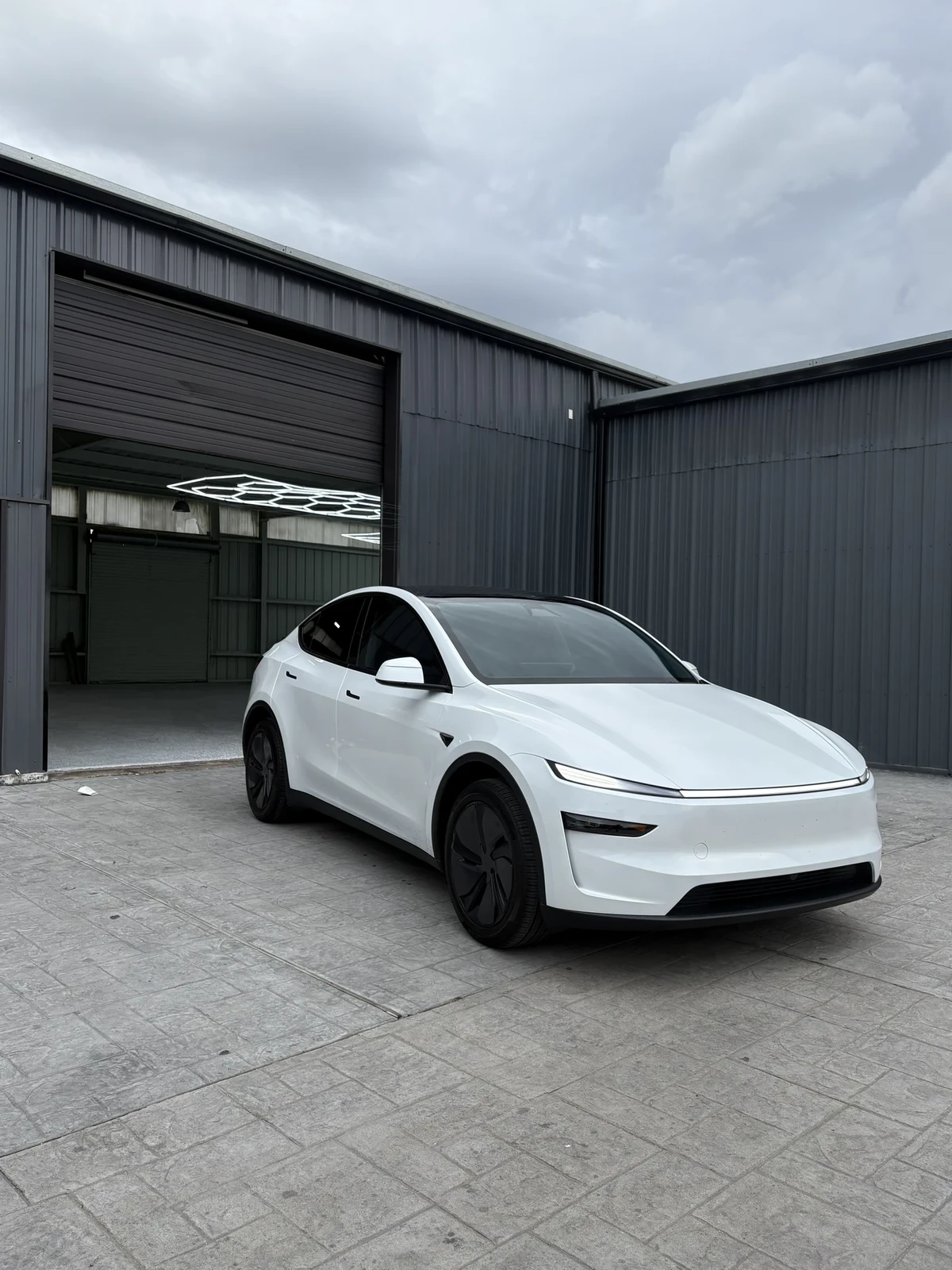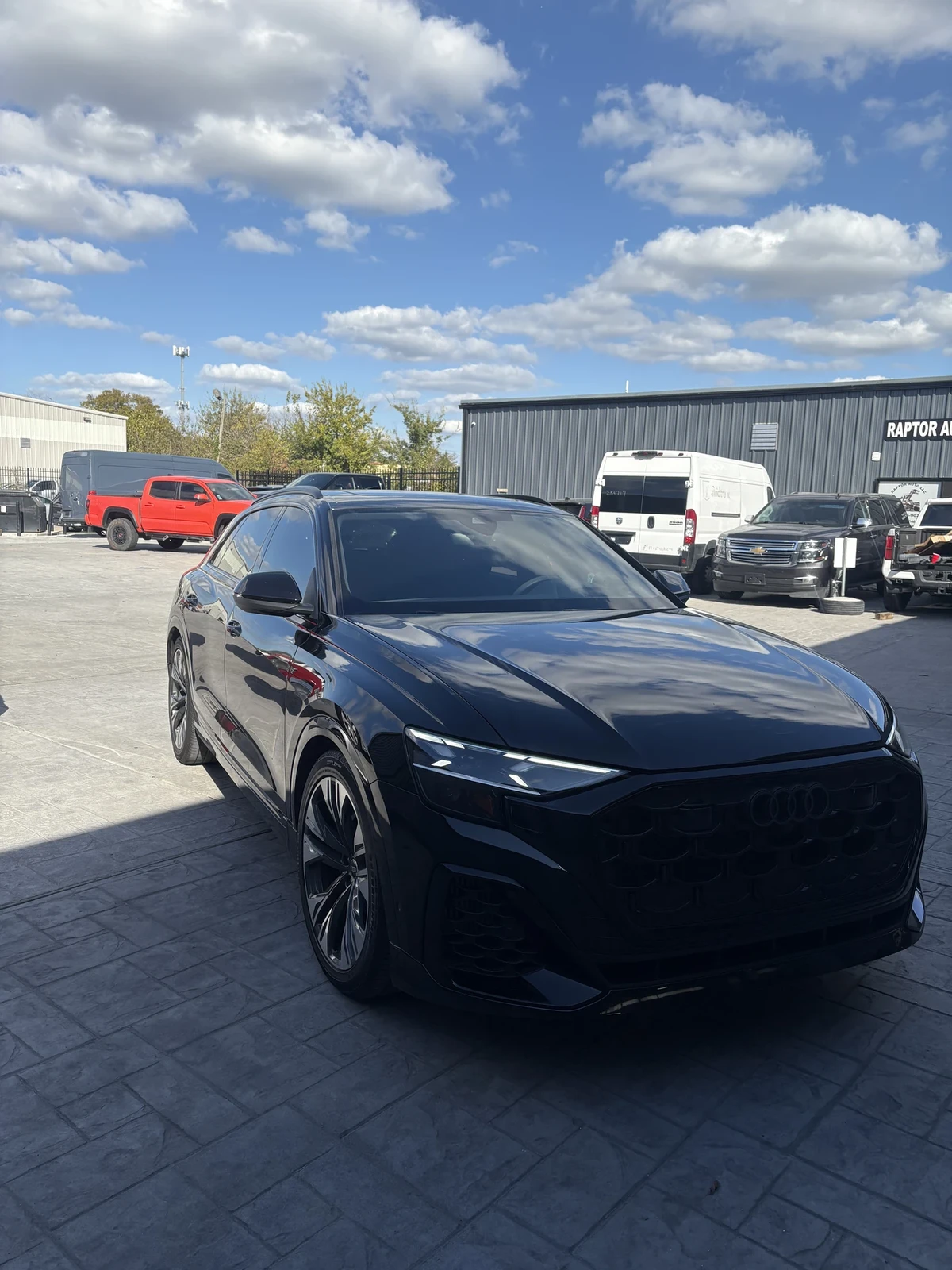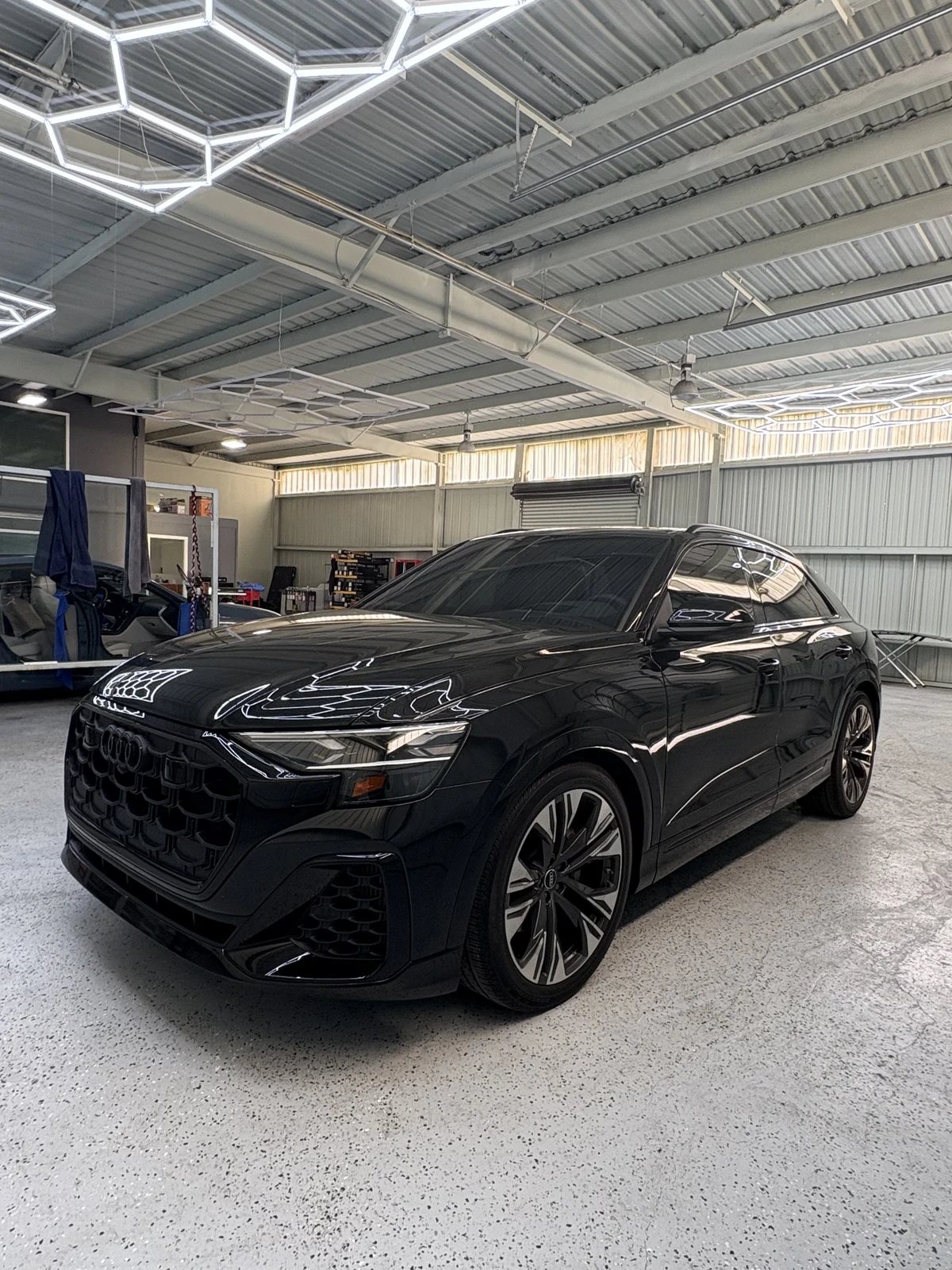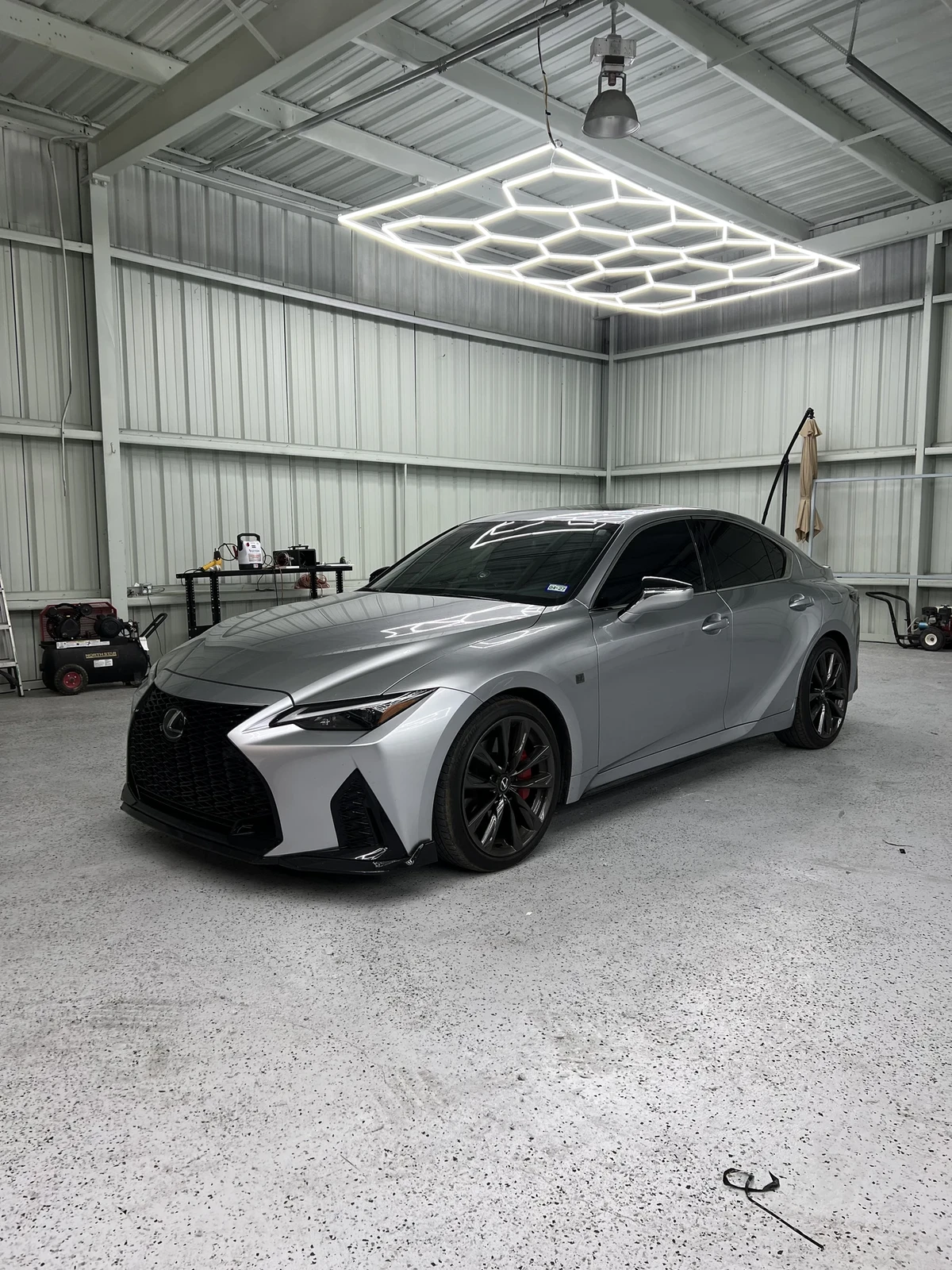
Navigating the sprawling highways of Southeast Texas during peak summer can feel like driving directly into a solar furnace. To find relief from the blinding glare and oppressive heat, local vehicle owners heavily rely on premium Car Window Tinting in Houston TX to keep their cabins comfortable. However, before modifying your automotive glass, you must understand the strict guidelines enforced by state authorities to avoid failed safety inspections or expensive traffic citations. This comprehensive manual details everything you need to know about navigating local glass modifications legally and safely.
Driving down Interstate 10 past the Houston Galleria or parking near Minute Maid Park exposes your vehicle to intense solar radiation. While darkening your windows is the most practical defense against this exposure, state law establishes strict boundaries for optical transparency. Balancing thermal comfort with legal compliance is essential for any local vehicle owner. Below, we break down the specific rules governing automotive glass modifications in the Lone Star State.
What is the legal tint percentage in Texas?
Texas state law requires that the front side windows of any passenger vehicle allow at least 25% of visible light to pass through the glass. This measurement is known as Visible Light Transmission (VLT), and it represents the net light transmission of both the glass and the applied film combined. In contrast, the rear side windows and the back windshield have no darkness limitations and can be tinted as dark as you prefer.
Understanding these specific metrics is critical because municipal law enforcement officers in Harris County actively check these limits during routine traffic stops. If your film blocks too much light, your vehicle will fail its annual safety inspection, forcing you to remove the film at your own expense.
The table below outlines the precise net light transmission requirements for different window placements on passenger cars:
| Window Location | Minimum Net Light Transmission (VLT) | Maximum Reflectivity Allowed | Permissible Colors |
| Front Windshield | 25% VLT (Top 5 inches or above AS-1 line) | Under 25% | Non-reflective only |
| Front Side Windows | 25% VLT | Under 25% | No red, blue, or amber |
| Rear Side Windows | No limit (0% VLT allowed) | Under 25% | No red, blue, or amber |
| Rear Windshield | No limit (0% VLT allowed if dual mirrors exist) | Under 25% | No red, blue, or amber |
As you plan your vehicle upgrades, remember that factory glass already possesses a slight tint, typically blocking about 3% to 5% of light. This means applying a 25% aftermarket film to factory glass will result in a net VLT of around 21% to 23%, which is technically illegal. Professional installers use digital light meters to measure this interaction, ensuring the final net VLT remains safely above the legal threshold.
What are the vehicle tint regulations for windshields in Houston?
The state of Texas permits window film on the front windshield, but it must be applied only above the manufacturer’s AS-1 line. This line is typically marked on the upper edge of your windshield, located approximately five inches below the top of the glass. The applied film must be completely non-reflective and must allow a minimum of 25% net light transmission through the treated area.
This regulation ensures that drivers retain an unobstructed field of view while traveling through busy local corridors. When driving through highly congested areas like the Texas Medical Center or the Washington Corridor, maintaining clear forward visibility is paramount for pedestrian safety.
Understanding the AS-1 Line on Your Glass
If you examine the upper corners of your front windshield, you will find a small, permanently etched mark that reads “AS-1.” This marker indicates the safety level of the glass and serves as the legal boundary for any aftermarket film applications.
- Safety Standards: The glass above this line is designated for sun visor functions and can safely support shade bands.
- Visibility Preservation: Applying film below this line can severely impair your depth perception, especially during sudden summer downpours.
- Inspection Compliance: State inspectors will specifically check the vertical placement of your windshield banner during your annual safety review.
By limiting the film to this upper section, you can effectively block the blinding morning sun during your daily commute on the West Loop without violating safety standards. It provides a practical compromise that keeps the sun out of your eyes while ensuring full compliance with state rules.
Why is complying with Texas window tint laws crucial for local drivers?
Complying with local glass regulations is crucial because non-compliant vehicles cannot pass the mandatory annual Texas safety inspection. Additionally, driving with illegal window film in Harris County can result in traffic stops, costly municipal citations, and fix-it tickets that require immediate, expensive removal of the material.
If you are pulled over on the Southwest Freeway with excessively dark windows, law enforcement officers can issue a citation for each non-compliant window. These fines can quickly add up, turning a budget-friendly vehicle modification into an expensive legal headache.
Furthermore, ignoring these safety regulations can lead to serious operational challenges:
- Reduced Night Visibility: Extremely dark front windows make it incredibly difficult to spot pedestrians or cyclists when turning onto poorly lit streets in Montrose.
- Inspection Failure: State inspectors use calibrated photometers to verify your glass compliance, and they will not issue a passing certificate for illegal film.
- Liability Issues: In the event of a collision, having illegal window film can be used as evidence of driver negligence, potentially impacting your insurance claims.
- Removal Expenses: Stripping old, cured adhesive from glass requires specialized tools and labor, costing you extra money and time.
To ensure your vehicle remains fully compliant, always verify that your installation shop uses certified films that carry a state-compliant sticker. These small, non-destructive decals are placed between the film and the glass on the driver side window, serving as official proof of compliance.
Can you get a medical exemption for darker window tint in Texas?
Yes, the Texas Department of Public Safety allows drivers to obtain a medical exemption to apply darker window film to their front side windows. To qualify for this exemption, you must obtain a signed prescription or signed affidavit from a licensed physician or optometrist stating that you require extra solar protection for medical reasons.
Once you obtain this signed documentation, you must keep it inside the glove box of your vehicle at all times. If you are pulled over by a law enforcement officer near Buffalo Bayou Park or in the Midtown district, presenting this official medical waiver will protect you from receiving a citation.
Qualifying Conditions for Medical Tint Exemptions
The state of Texas recognizes several specific medical conditions that require drivers to minimize their exposure to solar radiation.
- Photosensitive Skin Diseases: Conditions such as systemic lupus erythematosus, porphyria, or severe eczema that flare up under ultraviolet light.
- Ophthalmic Conditions: Extreme light sensitivity, macular degeneration, or severe cataracts that impair driving ability under intense highway glare.
- Autoimmune Disorders: Various chronic conditions where sunlight exposure triggers painful physical reactions or systemic inflammation.
- Xeroderma Pigmentosum: A rare genetic condition that prevents the skin from repairing damage caused by ultraviolet radiation.
It is important to note that even with a medical exemption, you are still prohibited from applying dark film below the AS-1 line on the front windshield. The exemption strictly applies to the front side windows, allowing you to lower the VLT below the standard 25% limit to protect your health.
How does the sun affect your choice of Car Window Tinting in Houston TX?
Selecting the correct Car Window Tinting in Houston TX involves balancing the intense demands of the local climate with the legal limits established by the state. Because our subtropical climate regularly produces heat indexes well over 100 degrees Fahrenheit, selecting a high-performance film is the most effective way to lower your cabin temperature without violating state laws.
While basic dyed films only darken your glass, they offer minimal thermal protection and tend to degrade rapidly under intense solar radiation. Drivers in neighborhoods like River Oaks or Memorial choose advanced film technologies because they deliver exceptional heat rejection while maintaining legal light transmission levels.
To maximize your comfort while staying completely legal, you should focus on these critical performance metrics:
- Infrared Heat Rejection: Look for films that target infrared radiation, which is the primary wavelength responsible for the physical heat you feel on your skin.
- Total Solar Energy Rejection: This metric measures the film’s overall ability to block solar energy, combining ultraviolet, visible light, and infrared performance.
- High Optical Clarity: Choose films that provide high visibility during night driving, ensuring your safety when navigating dark residential streets.
- Color Stability: Ensure the manufacturer guarantees the film will not fade, bubble, or turn purple over time when exposed to daily sunlight.
By investing in high-performance nano-ceramic films, you can achieve remarkable thermal relief while keeping your front windows at the legally required 25% VLT. This advanced technology allows you to enjoy a cool, comfortable cabin during long highway commutes without drawing unwanted attention from local law enforcement.
How is window tint darkness measured during a traffic stop?
Law enforcement officers measure window tint darkness using a small, hand-held optical device called a photometer or tint meter. This device slips over the edge of your partially rolled-down window, projecting a specific wavelength of light through the glass to calculate the exact percentage of light that reaches the opposite side.
These meters are highly accurate and are calibrated regularly to ensure they provide legally binding readings on the road. If an officer stops your vehicle near the Gerald D. Hines Waterwall Park in Uptown, they can quickly determine if your front side windows are compliant within a matter of seconds.
The measurement process relies on several key physical principles:
- Two-Sided Measurement: The photometer aligns an emitter on one side of the glass with a sensor on the other, measuring the net light transmission.
- Visible Light Spectrum: The device specifically measures light within the visible spectrum, ignoring infrared or ultraviolet waves that do not affect driver sight.
- Glass and Film Interaction: The meter reads the combined opacity of both the aftermarket film and the factory-tinted glass, yielding a true net VLT percentage.
- Environmental Compensation: Modern digital meters automatically adjust for ambient outdoor light conditions, preventing inaccurate readings on cloudy days.
Because these devices measure the net transmission, it is vital to work with a professional installer who understands how to calculate the interaction between film and factory glass. Attempting a DIY installation with cheap materials often results in a net VLT that falls below the legal 25% limit, leading to immediate compliance issues.
What are the rules for reflective and colored tints in Texas?
Texas state law dictates that any aftermarket window film applied to a passenger vehicle must not be more than 25% reflective. Additionally, the state strictly prohibits the use of red, blue, or amber colored films on any window, as these colors can interfere with driver visibility and mimic the emergency lighting used by law enforcement.
These reflectivity limits are designed to prevent blinding reflections from striking other drivers on the road. When driving along the highly elevated ramps of the high-occupancy vehicle lanes in Houston, intense metallic reflections can temporarily blind oncoming traffic, creating severe safety hazards.
To keep your vehicle safe and compliant, avoid these common aesthetic modifications:
- Mirrored Finishes: Highly reflective, silver, or mirrored films that act like physical mirrors under direct sunlight are completely illegal.
- One-Way Mirror Effects: Specialized architectural films designed for commercial buildings should never be applied to automotive glass.
- Emergency Colors: Deep red, bright blue, or amber-tinted films are immediately flagged by state inspectors and law enforcement.
- Iridescent Chameleon Films: Color-shifting films that display green, blue, or purple hues depending on the viewing angle often violate both reflectivity and color statutes.
Opting for a classic charcoal, black, or neutral bronze finish is the safest way to improve your vehicle’s style. These traditional tones deliver a clean, sophisticated look that complements your vehicle’s lines while remaining fully compliant with state and municipal safety regulations.
How to choose a legal window film installation specialist in Harris County?
Selecting a professional installation specialist is the most important step in ensuring your vehicle remains fully compliant with state regulations. A reputable shop will have a deep understanding of local laws, use certified materials, and utilize advanced tools to ensure a flawless, legal application.
When evaluating local shops in areas like The Heights or Sugar Land, look for businesses that prioritize precision and customer education. Avoid shops that offer under-the-table installations of illegal, ultra-dark films, as this indicates a general lack of professional standards and manufacturer support.
If you are ready to upgrade your vehicle with high-performance, fully compliant window film, contact us to speak with our certified installation specialists. Our team is dedicated to helping you select the perfect film technology that keeps you cool while maintaining total legal compliance.
When comparing local installation shops, verify they meet these essential quality benchmarks:
- Dust-Free Installation Bays: The shop should utilize a sealed, climate-controlled cleanroom to prevent airborne dust particles from getting trapped under the film.
- Precision Computer Cutting: Technicians should use specialized software to cut the film to your vehicle’s exact glass specifications, avoiding dangerous blade work on your glass.
- Compliance Certification stickers: The installer must be willing to place the legally required compliance decal between the film and the glass on your driver side window.
Frequently Asked Questions About Houston Window Tint Laws
Can you peel off illegal tint to pass Texas inspection?
Yes, you can physically peel off illegal window film to bring your vehicle back into compliance and pass your annual Texas safety inspection. However, simply pulling the film off often leaves behind a thick, sticky layer of adhesive that ruins visibility and can damage your rear defroster lines if not cleaned with professional solvents.
Does Texas allow 20% tint on front windows?
No, Texas does not allow 20% VLT tint on front side windows, as the legal limit is strictly set at a minimum of 25% net light transmission. Applying a 20% film will cause your vehicle to fail its safety inspection and makes you vulnerable to traffic stops and expensive municipal citations.
What happens if you get pulled over for dark tint in Houston?
If you are pulled over for excessively dark window film in Houston, the law enforcement officer will measure your glass with a digital photometer. If the reading is below 25% VLT, the officer may issue a warning, a fix-it ticket, or a municipal citation carrying fines that vary depending on the local precinct.
Are dual side mirrors required for dark rear tint in Texas?
Yes, if you choose to apply dark window film to your rear windshield that blocks more than 75% of light, your vehicle must be equipped with dual side mirrors. These mirrors must provide an unobstructed view of the highway behind you to compensate for the reduced visibility through the back glass.
Is ceramic tint legal if it has high heat rejection?
Yes, ceramic window film is completely legal in Texas as long as its visible light transmission remains at or above 25% on the front side windows. Because ceramic technology relies on microscopic nanoparticles to block heat rather than dark dyes, you can achieve incredible heat rejection while using a light, fully compliant film.
Conclusion: Protect Your Vehicle Legally on the Houston Roads
Modifying your vehicle with aftermarket window film is one of the most practical upgrades you can make to handle the relentless summer heat of Southeast Texas. By understanding and following the official regulations, you can enjoy maximum thermal relief, protected interiors, and reduced eye strain without the stress of municipal fines or failed safety inspections. Ensuring your vehicle complies with these standards is the best way to protect your automotive assets while enjoying a relaxing, comfortable drive.
When you want your vehicle upgraded with absolute precision and legal compliance, turn to the experienced team at Highland Auto Solutions. As your trusted local vehicle protection specialists with 384 Google reviews and a perfect 5-star rating as of today, we combine premium materials with meticulous craftsmanship to keep your vehicle comfortable on the road. Choosing premium Car Window Tinting in Houston TX ensures your daily commute remains cool, safe, and fully compliant with state regulations for years to come.