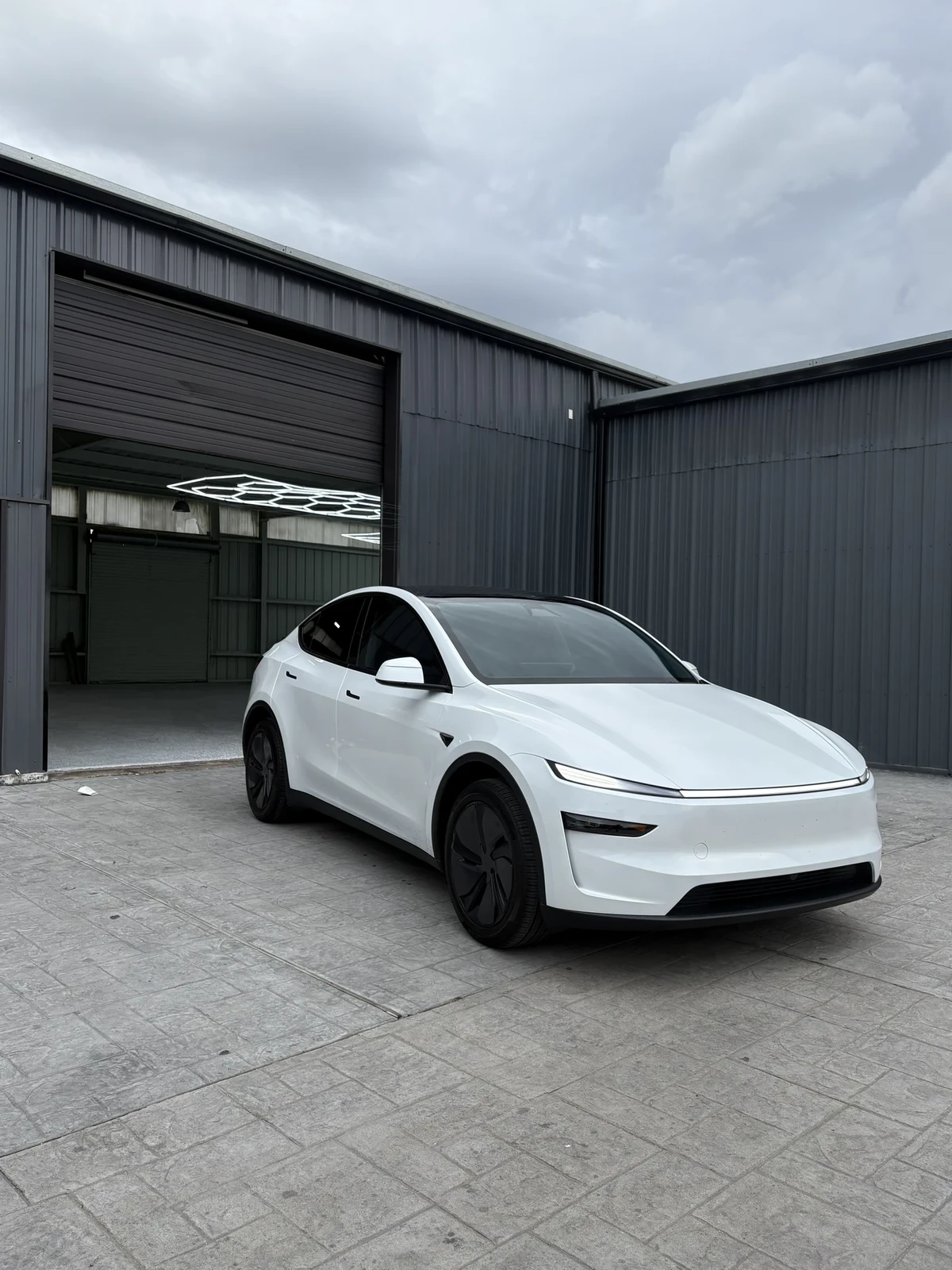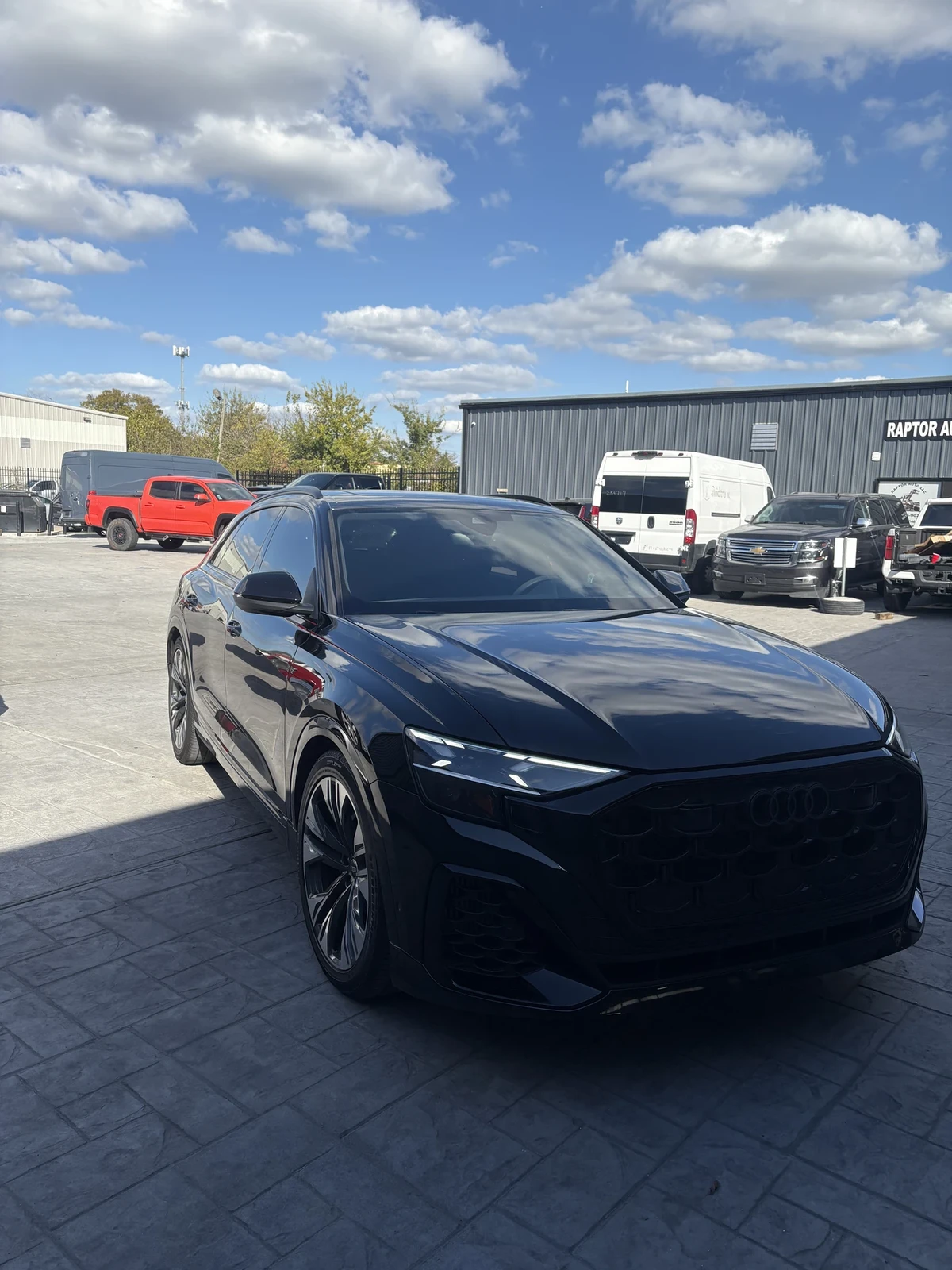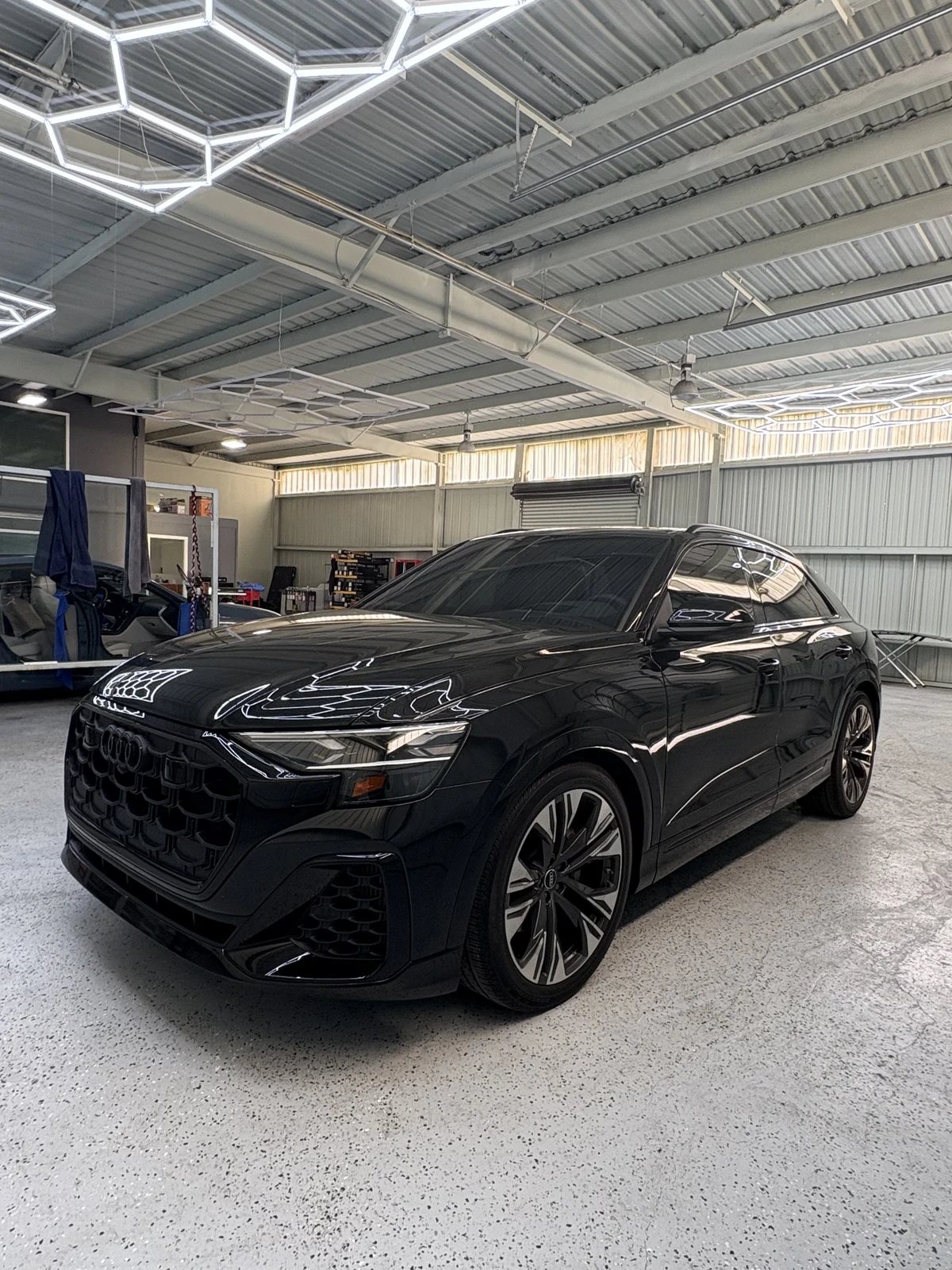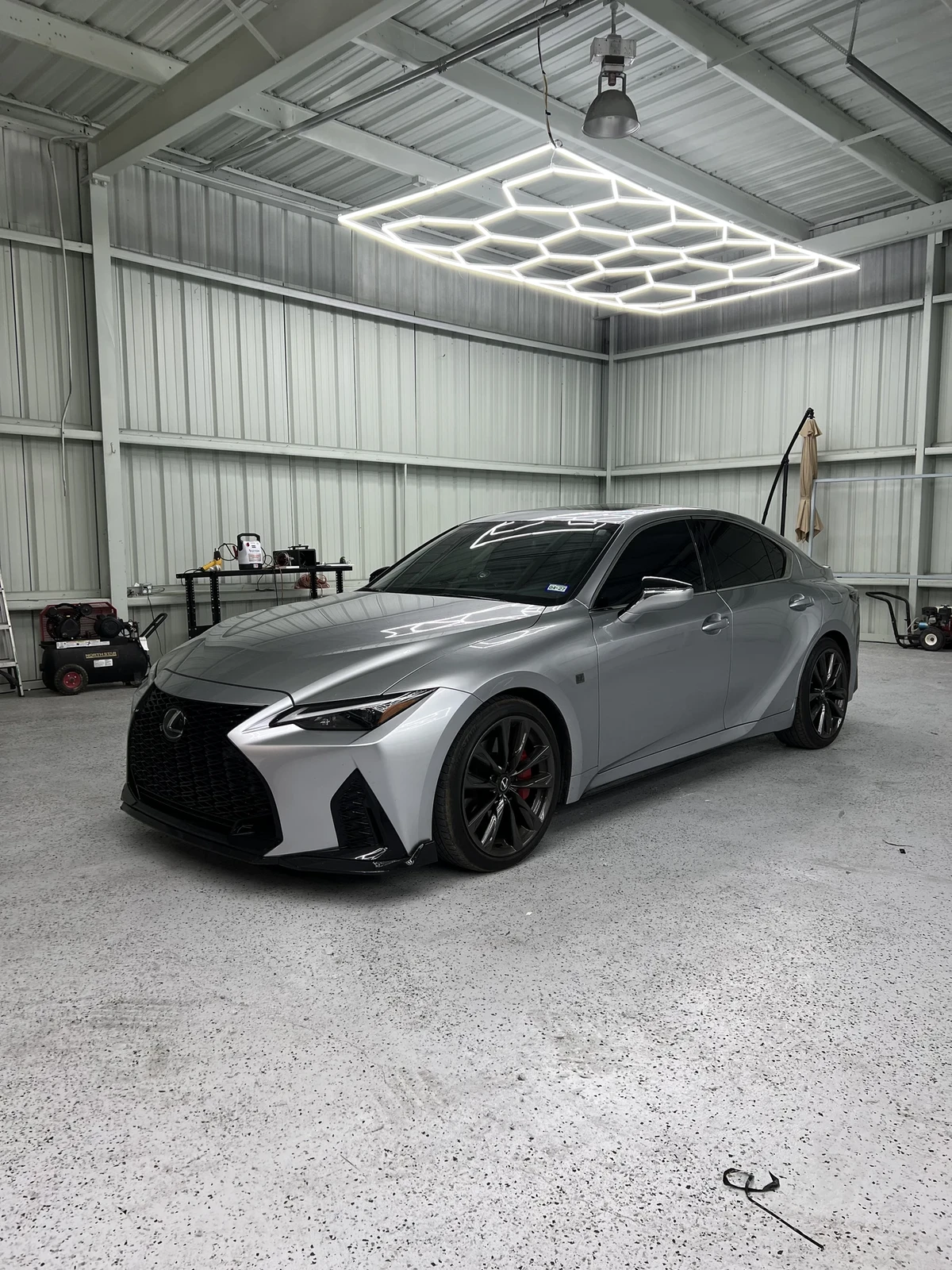
Navigating the congested lanes of the West Loop during a typical Southeast Texas summer can feel like sitting inside a convection oven. Unprotected automotive glass allows intense solar energy to penetrate your cabin, rapidly turning your seats, steering wheel, and dashboard into hot hazards. High-quality Car Window Tinting in Houston TX provides an immediate and highly effective shield against oppressive Gulf Coast heat and blinding road glare. By installing advanced window films, local vehicle owners can significantly lower cabin temperatures while protecting their skin and interior upholstery from destructive solar radiation.
Whether you are commuting down Interstate 45, parking near Minute Maid Park, or driving through the heart of the Galleria, the Texas sun is relentless. Standard factory auto glass does very little to reject thermal energy, allowing heat to accumulate inside parked or moving vehicles. Investing in premium window film acts as a permanent thermal barrier, keeping your vehicle comfortable and reducing your dependence on maximum air conditioning. Below, we break down how modern solar protection films work and why they are essential for your daily drive.
Does car window tinting actually reduce heat?
Yes, premium window film can block up to 60% or more of the total solar energy entering your vehicle, resulting in a noticeably lower interior temperature. The exact amount of thermal relief you experience depends on the specific film technology you select, with advanced nano-ceramic options offering the highest performance.
When your vehicle is parked in an open lot in Midtown or near the Texas Medical Center, it acts like a greenhouse. Solar radiation passes through the clear glass, is absorbed by the dark interior surfaces, and becomes trapped as ambient heat. High-performance window films interrupt this process by actively reflecting and absorbing thermal energy before it can ever cross the glass barrier.
Applying an advanced film to your vehicle provides immediate cooling benefits:
- Faster Cool-Down Times: Your cabin reaches a comfortable temperature within minutes of turning on the air conditioning system.
- Constant Thermal Regulation: The film prevents hot spots near the windows, keeping the air temperature consistent throughout the entire cabin.
- Passive Heat Rejection: Even when your vehicle is parked under direct sunlight near Buffalo Bayou Park, the interior stays significantly cooler than a car with untreated glass.
- Lower Surface Temperatures: Leather seats and plastic steering wheels remain cool enough to touch safely, preventing painful burns on hot days.
By establishing an active barrier at the glass level, window tint keeps your car comfortable during the hottest hours of the day. This simple modification turns a frustratingly hot commute on the Southwest Freeway into a cool, pleasant, and relaxing driving experience.
How does solar heat reduction work in modern window films?
Modern automotive window films achieve significant solar heat reduction by utilizing advanced microscopic layers that filter out specific wavelengths of solar energy. Instead of simply relying on dark dyes that make the glass dark, high-performance films filter out non-visible portions of the solar spectrum that carry thermal energy.
Solar energy is composed of three primary elements: visible light, ultraviolet (UV) rays, and infrared (IR) rays. Infrared radiation is responsible for over half of the heat you feel on your skin, while ultraviolet rays cause surface damage and skin aging. Advanced films use specialized ceramic or carbon particles to absorb and dissipate these invisible, heat-carrying wavelengths.
Understanding Total Solar Energy Rejection (TSER)
When shopping for window film, the most important metric to look for is Total Solar Energy Rejection (TSER). This value measures the film’s overall capability to block a combination of infrared radiation, visible light, and ultraviolet rays.
- Visible Light Component: This is the light we can see, which accounts for about 44% of the sun’s total solar energy.
- Infrared Radiation Component: This invisible wavelength accounts for approximately 53% of solar heat, making it the primary target for advanced films.
- Ultraviolet Light Component: While UV rays only account for 3% of solar energy, they are highly destructive and require 99% rejection to keep your cabin safe.
The Role of Infrared Radiation Blocking
Infrared-rejecting films contain non-conductive, microscopic particles that are finely tuned to target the infrared spectrum. When these waves strike your glass, the particles absorb the energy and radiate it outward, keeping the interior cabin cool.
The table below outlines how different window film technologies compare in performance, durability, and heat rejection capability:
| Film Technology | Solar Heat Rejection (TSER) | UV Rejection Rate | Signal Interference | Recommended Houston Budget |
| Basic Dyed Film | 20% to 35% | Up to 99% | None | Entry-Level Comfort |
| Metalized Film | 40% to 55% | Up to 99% | High (GPS block risk) | Mid-Range Budget |
| Carbon Fiber Film | 50% to 65% | Up to 99% | None | Mid-to-High Comfort |
| Nano-Ceramic Film | 65% to 85% | Up to 99.9% | None | Maximum Protection |
Choosing the correct film involves balancing your performance expectations with your budget. While basic dyed films provide an attractive dark appearance, carbon and ceramic technologies offer the long-term durability and high heat rejection required to survive local summer heat.
What are the main benefits of car window tinting in Houston?
The primary car window tinting benefits for local drivers include exceptional thermal insulation, superior glare reduction, and robust interior preservation. These physical improvements directly translate into a safer, more relaxing driving experience when navigating highly congested urban corridors.
Driving through neighborhood streets in The Heights or River Oaks exposes your vehicle to continuous sunlight. Over time, this daily exposure leads to a variety of practical, economic, and safety challenges. Installing premium automotive window film addresses these challenges directly, protecting both the vehicle and its passengers.
Investing in high-quality glass protection delivers several essential daily advantages:
- Exceptional Thermal Insulation: The film keeps your cabin insulated, allowing your air conditioning to run on lower, quieter settings.
- Significant Fuel Savings: Because your air conditioning compressor does not have to work as hard, your engine consumes less fuel during stop-and-go commutes.
- Enhanced Driving Safety: Reducing the bright glare from concrete roads and oncoming headlights improves your reaction time and prevents visual fatigue.
- Excellent Interior Security: Darker side windows hide valuable belongings left inside your cabin from opportunistic car thieves in urban parking lots.
- Shatter Resistance: The strong adhesive backing holds broken glass fragments together, protecting occupants in the event of an unexpected side-impact collision.
These physical benefits make window tinting one of the most practical upgrades you can make to your vehicle. It is a multi-layered solution that improves your vehicle’s physical comfort, safety, and long-term operating efficiency.
Achieving a cooler vehicle interior during Texas summers
Maintaining a cooler vehicle interior is the single most common reason local drivers seek out professional glass modifications. The high relative humidity of the Gulf Coast acts like a heavy blanket, trapping heat close to the ground and exacerbating the greenhouse effect inside parked cars.
By applying advanced thermal rejection films, you can lower interior cabin temperatures by up to 30 degrees Fahrenheit compared to untreated vehicles. This means you no longer have to drive with your windows rolled down for the first ten minutes of your trip just to air out the heat.
Preserving upholstery from fading and cracking
Continuous exposure to ultraviolet radiation causes permanent damage to natural and synthetic interior materials. Leather seats can dry out, shrink, and crack, while soft dashboards can warp or split after just a few years of parking in open driveways.
Installing high-performance window film provides continuous UV protection for vehicles, blocking up to 99.9% of harmful radiation. This protective shield keeps your upholstery looking brand new, preserving your vehicle’s interior beauty and maximizing its trade-in value.
Reducing glare along major local highways
Navigating highly elevated interchanges during sunrise or sunset can be incredibly dangerous due to intense, blinding sunlight. The sun’s glare reflecting off concrete surfaces can temporarily blind you, making it difficult to spot braking traffic or sudden lane changes.
Window film filters out these harsh spikes of light, providing a clear, comfortable, and consistent view of the road ahead. This glare reduction is especially helpful when traveling along busy routes like Interstate 10, preventing eye strain and driving fatigue.
Is an energy-efficient window tint legally compliant in Texas?
Yes, installing an energy-efficient window tint is completely legal in Texas, provided the film on your front side windows allows at least 25% of visible light to pass through. This net measurement, known as Visible Light Transmission (VLT), combines the light-blocking capability of both your factory glass and the aftermarket film.
State authorities establish these optical transparency rules to ensure drivers retain clear visibility, especially during nighttime driving and severe rainstorms. While rear side windows and back windshields have no darkness limitations on passenger cars, the front side windows must comply with the strict 25% threshold.
Texas state law outlines several specific guidelines for automotive glass modifications:
- Front Side Windows: Must allow a minimum of 25% net light transmission (VLT) through the glass.
- Rear Side Windows: No darkness limit (0% VLT allowed) for passenger cars, trucks, and multi-purpose vehicles.
- Rear Windshield: No darkness limit allowed, provided the vehicle is equipped with dual, operational side mirrors.
- Front Windshield Sun Visor: Aftermarket film is permitted only above the manufacturer’s AS-1 line, which is typically the top five inches of the glass.
- Reflective Tint Limits: Metallic or reflective window films must not exceed 25% reflectivity on any window to prevent blinding other drivers.
Understanding these legal metrics is essential before scheduling your installation. A reputable, local shop will always use a digital light meter to verify that your vehicle remains compliant, ensuring you pass your annual safety inspections without any issues.
Why is professional installation crucial for Car Window Tinting in Houston TX?
Opting for professional Car Window Tinting in Houston TX guarantees that your vehicle receives a flawless, durable application that meets all state-mandated guidelines. Professional installers use precision computer-cutting software and dust-free environments to prevent bubbles, peeling, and visual distortion.
If you are ready to shield your vehicle with high-performance window film, contact us to consult with our factory-trained technicians. Our certified specialists analyze your glass, recommend the ideal shade, and deliver a pristine application designed to last for the lifetime of your vehicle.
Applying window film requires specialized tools, controlled environments, and years of physical practice to master the shrinking process on curved glass. DIY installation kits often contain cheap, non-certified materials that bubble, peel, or turn purple after just a few months of exposure to the intense Texas sun.
Working with an experienced, local installation specialist provides several essential quality guarantees:
- Dust-Free Cleanroom Installation: Professional shops utilize sealed, climate-controlled bays to prevent microscopic dust particles from getting trapped under the film.
- Computer-Cut Precision Patterns: Technicians use digital cutting software to generate precise templates for your vehicle, avoiding dangerous blade work near your rubber window seals.
- Official Compliance Sticker Placement: Certified installers place a small, non-destructive compliance decal between the film and the glass, proving your VLT is road-legal.
How do nano-ceramic tints compare to standard dyed films?
Nano-ceramic window films represent the peak of modern automotive glass technology, delivering incredible heat rejection while maintaining maximum optical clarity. In contrast, standard dyed films rely on dark organic pigments that absorb light, offering very little heat protection and degrading rapidly under UV light.
Because ceramic particles are non-conductive, they do not block radio frequencies, ensuring your GPS, satellite radio, and mobile phone signals pass through freely. Standard dyed or metalized films can disrupt these crucial electronic signals, causing frustrating navigation drops and dropped calls on local highways.
Opting for ceramic technology offers several clear advantages over basic dyed products:
- High Visible Light Transmission: You can choose a lighter, legally compliant film while still achieving superior thermal rejection compared to the darkest dyed films.
- Unmatched Color Stability: Advanced ceramic particles do not fade or turn purple, guaranteeing your glass looks pristine for years to come.
- Superior Night Visibility: Ceramic films maintain incredible optical clarity from the inside out, making it much safer to drive along dark residential streets.
- Advanced Durability: The specialized scratch-resistant coating protects the film from daily roll-down wear and routine glass cleaning.
While nano-ceramic film requires a higher initial investment, its extreme durability and unmatched heat rejection make it the most cost-effective choice for local vehicle owners. It provides continuous comfort, style, and protection that lasts for as long as you own your vehicle.
Frequently Asked Questions About Houston Car Window Tinting
How much cooler does a car stay with ceramic window tint?
An advanced ceramic window film can reduce interior cabin temperatures by up to 30 degrees Fahrenheit compared to untreated glass. By blocking up to 85% of infrared heat waves at the glass level, the film prevents solar energy from turning your parked vehicle into a dangerous heat trap.
Can I tint my front windshield below the AS-1 line in Texas?
No, Texas state law prohibits applying any window film below the manufacturer’s AS-1 line on the front windshield, except for medical exemptions. The top section of the glass above the AS-1 line (approximately the top five inches) can be tinted to a minimum of 25% VLT to block the blinding morning sun.
How long does it take for window film to cure in humid Houston weather?
Automotive window film typically takes between 2 to 5 days to cure completely in the warm, humid climate of Southeast Texas. Because local humidity slows down the evaporation of the moisture trapped between the glass and the film, it is crucial to keep your windows rolled up during this curing window.
Will window tinting interfere with my GPS or toll pass?
Standard dyed and nano-ceramic window films will not interfere with your GPS, cell phone, or toll pass signals. However, metallic or metalized films contain tiny metallic particles that can block electromagnetic frequencies, potentially disrupting your toll road transponders and navigation systems.
Does window tint help lower my fuel consumption?
Yes, high-quality window film lowers your fuel consumption by reducing your reliance on maximum air conditioning. Because the film acts as a permanent thermal barrier, your vehicle reaches a comfortable temperature much faster, reducing the engine strain and fuel usage caused by running your AC compressor.
Conclusion: Elevate Your Daily Commute Across Southeast Texas
Safeguarding your vehicle from the relentless Gulf Coast sun is an essential step in maintaining a comfortable, safe, and efficient drive. Incorporating a high-quality window film protects your physical health from ultraviolet exposure while shielding your automotive assets from extreme thermal damage.
Investing in professional Car Window Tinting in Houston TX is the single most effective way to beat the heat, protect your health, and preserve your vehicle’s interior cabin.
When you are ready to upgrade your ride with flawless execution, turn to the trusted local experts at Highland Auto Solutions. As local vehicle protection leaders with 384 Google reviews and a perfect 5-star rating as of today, we specialize in high-performance solar protection films tailored for our local climate. Our meticulous installation techniques ensure your vehicle remains beautifully protected and incredibly cool on every commute.